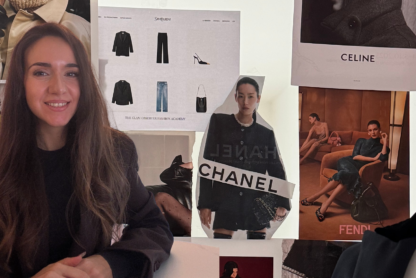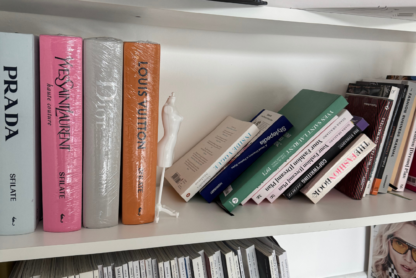



When I wanted to enter the fashion industry, I was never dreaming of becoming a designer or a stylist.
I remember being far more interested in reading articles about how fashion companies operate, how marketing campaigns perform, and how brands grow and position themselves in the market. Not because I didn’t love clothes. I absolutely did (and still do!). But because there are some of us who love fashion and, at the same time, feel more drawn to strategy, business decisions, and long-term vision than to purely creative roles.
You might be the kind of person who looks at a Jacquemus campaign and doesn’t just admire the bags, shoes or clothings, but wonders how the idea was built, how it was launched, and what impact it had on the business. Or you might feel excited by the idea of contributing to a brand’s success rather than designing or styling the product itself.
I remember that, very early on, my dream was to become the CEO of Dior. Yes, I know, very ambitious 😀.
Everything started to make sense during one of my university classes in management (in case you’re new here I have a bachelor’s degree in management engineering). My professor used a fashion company as a business case, and that was the moment I realized that my degree and fashion were not disconnected at all. I could actually combine the two.
At the same time, I had always been passionate about magazines and editorial. During university, I started a fashion blog, and becoming Editor-in-Chief of Vogue was another big dream of mine.
Looking back, all my interests had one thing in common: I was drawn to roles where decisions are made, strategies are built, and a broader vision comes to life.
Of course, I knew I couldn’t start from the top.
So I had to understand which roles could realistically bring me closer to the end goal of running a fashion company.
In the end, I did get there. I just didn’t know it would be my own company. Today, I’m the CEO and Head of Education at Glam Observer.
To get there, I enrolled in a Master in Luxury and Fashion Management, moved my life to Milan, and started learning how the fashion industry works from the inside.
I started doing a lot of research and unfortunately I couldn’t find many guides online on how to break into fashion and what are the careers available other than design, styling, editor… (again if you’re new here, this is the reason why I started Glam Observer as the first platform to fill the gap between fashion theory and the workspace). I then broke into the industry with an internship at Alexander McQueen in the ecommerce department.
So what did I do when I realized I wanted to get into fashion management?
I started reading job descriptions. Properly reading them. And I didn’t stop at the job title.
This is something I still teach my students today, because job descriptions are one of the most underrated tools when you’re trying to understand the fashion industry. You can’t really grasp what a role is about just from its name. The real information is always in the description.
By reading job postings, you start understanding what fashion professionals actually do on a daily basis, how departments work, how roles differ from one another, and which skills are truly required inside fashion companies. You begin to see patterns. You learn the language of the industry.
It’s such a simple exercise, but it’s incredibly powerful.
So I read job descriptions carefully and with curiosity. And that’s how I came across e-commerce roles. At first glance, e-commerce might not be the obvious choice when you think about fashion management. But once I looked deeper, it made perfect sense. Fashion management isn’t one single role. It’s a mindset. It’s about being interested in strategy, performance, coordination, and decision-making.
That e-commerce internship was about managing the online presence of a fashion house, analyzing performance, supporting launches, and contributing to the commercial success of the brand. That’s exactly what I was looking for. So I applied.
This article (or you can watch my youtube video) is for all the girls and boys who, like me, love fashion but don’t see themselves in traditionally creative roles such as designer, stylist, or art director. If that’s your path, I’ve written about those careers too, and you can explore them separately. But if you’re more interested in the business and management side of fashion, you’re exactly where you need to be.
So what are the career options in fashion management?
Fashion management is not one single job, as I said above…It’s a broad area of the industry that includes many different roles, each focused on a specific function of the business.
Inside my Break into the Fashion Industry course, I always start with one key question: Are you more drawn to the creative side or the business side of fashion? This distinction matters because, in fashion, you don’t become a “fashion manager” in a generic way. Companies are structured into departments, and each department has its own manager. If you need to know more about the departments in fashion, I’ve created a free pdf with a roadmap of the different roles.
When I worked at Alexander McQueen, within Kering, or at Yoox Net-a-Porter, there was no single fashion manager. There were e-commerce managers, merchandising managers, marketing managers, production managers, and so on.
That’s why, if you’re interested in the management side of fashion, the right approach is not to search for one vague title, but to understand the different business functions within a fashion company. Each of these functions comes with its own roles, responsibilities, and entry points, and many of them can ultimately lead to leadership positions.
Below, I’ll walk you through the main fashion management roles, grouped by function, and explain what people in these jobs actually do day to day, in simple and practical terms.
Fashion Management Jobs, Grouped by Function (With Real Roles)
1. Planning, Merchandising & Forecasting Jobs
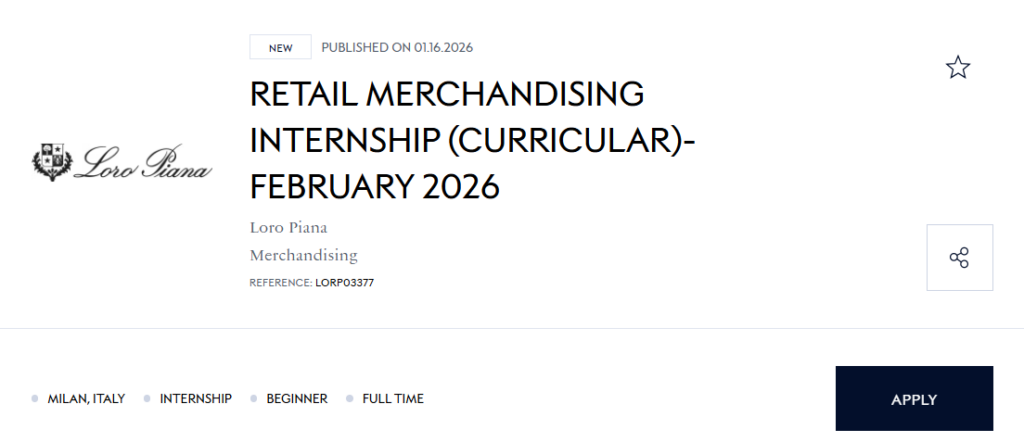
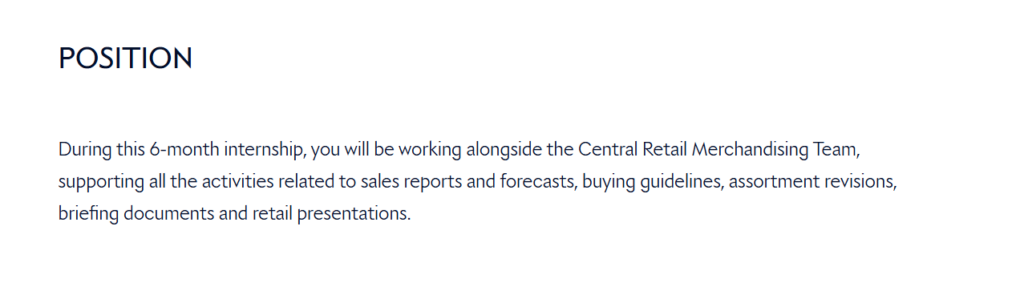
You can find fashion careers such as:
- Demand Planner
- Merchandising (Accessories / RTW)
- Wholesale Analysis Intern
In planning and merchandising roles, your job is to help the brand decide what to make, how much to make, and when to make it. You spend your day looking at past results to understand what customers actually bought and what stayed on shelves, then using that information to plan future collections. You work closely with designers, production teams, and sales to make sure creative ideas can realistically be produced and sold. Much of your time is spent organizing information in Excel and turning numbers into clear insights that help the business make better decisions.
You’ll often deal with industry terms such as sell-in, sell-out, forecasts, stock levels, margins, and SKUs, which are simply the technical language used to describe how products move through the business.
This is for you if…
- You like understanding why certain products sell and others don’t
- You enjoy working with data but still want to stay close to the product
- You’re comfortable balancing creativity with commercial logic
Regarding Excel, I’ve created Excel for Fashion to help you prepare for it before entering the fashion industry. That’s strategy!
2. E-commerce & Omnichannel Jobs

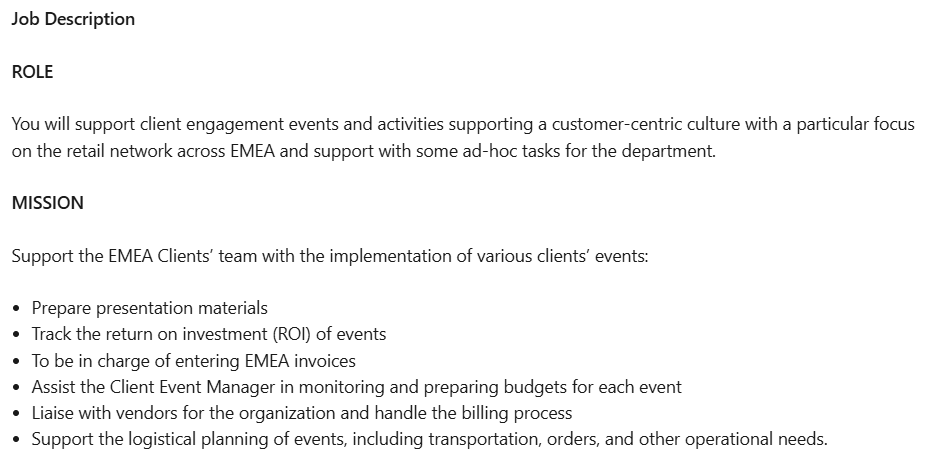
You can find fashion careers such as:
- E-commerce Project Assistant
- EMEA Omnichannel Business Project Manager
- Digital Commerce & Performance Internships
In e-commerce and omnichannel roles, your job is to make sure customers can easily discover, understand, and buy products online. You spend your day reviewing how the website or app performs, spotting where customers get confused or drop off, and working with tech, digital, and regional teams to improve the experience. You also help plan and launch new features, services, or markets, making sure they align with the brand’s strategy and local needs. Much of your work involves data analysis, coordination across teams, and presenting clear recommendations to decision-makers.
You’ll work with terms such as conversion rate, customer journey, performance KPIs, A/B testing, and omnichannel strategy, which describe how customers move between digital and physical touchpoints.
This is for you if…
- You’re curious about how fashion brands sell online
- You like data, UX, and performance metrics
- You enjoy working with multiple teams across markets
- You’re interested in the future of digital luxury
3. Marketing, Digital & Consumer Insights Jobs
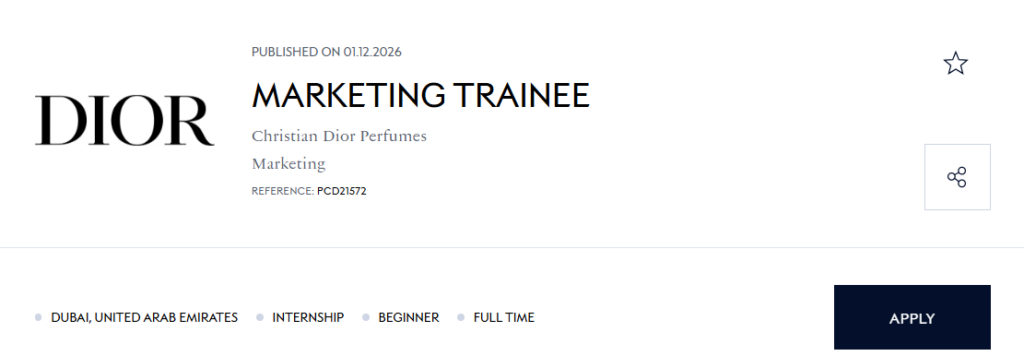
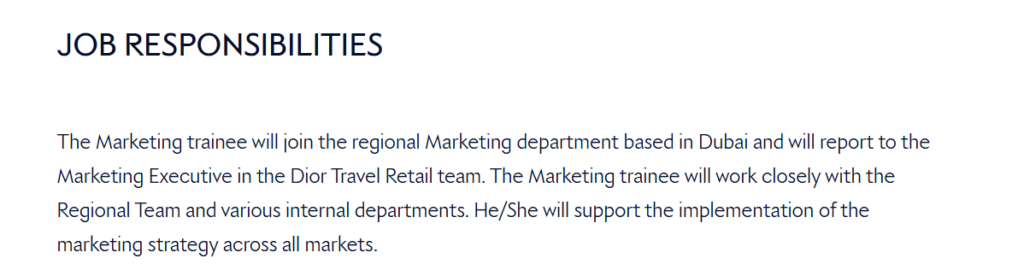
Roles included
- Digital Marketing Insights Intern
- Marketing Assistant / Project Roles
- Brand & Performance Marketing Positions
A day in the role
In marketing and insights roles, your job is to understand how people interact with the brand and help the team make smarter decisions. You spend your day analyzing campaign results, website traffic, emails, apps, or social media performance to see what works and what doesn’t. You turn numbers into stories by creating reports and presentations that guide marketing strategy and future launches. You also collaborate closely with creative, media, and regional teams to make sure ideas are both inspiring and effective.
You’ll become familiar with terms like SEO, SEM, engagement, traffic, ROI, and performance dashboards, which are used to measure the impact of marketing actions.
This is for you if…
- You like understanding consumer behavior
- You enjoy storytelling backed by data
- You’re interested in branding, performance, and strategy
- You want a creative role with measurable impact
Talking about simulation, in the Fashion Internship Simulator course, you’ll be inside the industry, creating real projects for your career. If you feel into it, this is the right step to take.
4. Production, Operations & Cost Management Jobs
You can find fashion careers such as:
- RTW Operations Assistant Coordinator (Internship)
- Costing Specialist (Leather Goods / RTW)
- Production & Quality Support Roles
A day in the role
In production and operations roles, your job is to make sure collections move smoothly from idea to finished product. You spend your day coordinating information between teams, tracking timelines, updating systems, and supporting production follow-ups. You help ensure products meet quality standards, respect budgets, and comply with regulations. This role requires strong organization, attention to detail, and frequent use of Excel to keep everything on track.
You’ll work with concepts such as costing, production timelines, bills of materials, compliance, and quality control, which describe how products are developed and manufactured efficiently.
In my free webinar, I’ll talk about strategies to get into fashion, if you are interested in Production, Operations & Cost Management Jobs, this is the right moment.
5. Wholesale & Commercial Operations Jobs
You can find fashion careers such as:
- Wholesale Analysis Intern
- Wholesale Coordinator / Commercial Support Roles
This is for you if…
- You like client-facing roles with analytical depth
- You’re interested in how fashion is sold globally
- You enjoy fast-paced environments
- You want exposure to both sales and strategy
A day in the role
In wholesale and commercial roles, your job is to support how the brand sells its products to retail partners around the world. You spend your day tracking orders, analyzing sales performance, and helping manage relationships with wholesale clients. You support sales campaigns, prepare reports for managers, and make sure information flows correctly between the brand and its partners. This role combines coordination, analysis, and communication in a fast-paced environment.
You’ll work with terms such as sell-through, reorders, stock levels, sales campaigns, and wholesale performance, which describe how products perform in multi-brand stores.
This is for you if…
- You like structure, processes, and problem-solving
- You enjoy working behind the scenes
- You’re detail-oriented and analytical
- You want to be close to the product lifecycle
Regarding specific terms like sell-through, reorders, stock levels, sales campaigns, and wholesale performance, don’t be scared if you feel like an outsider. I’ve created a free pdf where I explain different specific fashion terms.
How to start a career in fashion management
You won’t become a manager from day one.
In fashion, you’ll rarely find “fashion management internship” with that exact title. Instead, you enter the management side of the industry through department-specific internships, the same functions we’ve just explored above.
This means that if you want to work in fashion management, your first roles will likely be internships such as:
- Merchandising intern
- Brand or marketing management intern
- E-commerce or omnichannel intern
- Project management or business operations intern
- and so on
These are exactly the kinds of roles I showed you earlier in this article.
Another common entry point, especially within large luxury groups, is through structured internship programs. Major fashion houses and groups like Louis Vuitton or Kering regularly open multi-department internship programs designed for students who want exposure to the strategic side of the business. Like the Louis Vuitton Horizon program or the Kering Corporate Future one.These programs are open in different departments so it’s just about finding the one that matches your goal, like this Kering Future Strategy one.
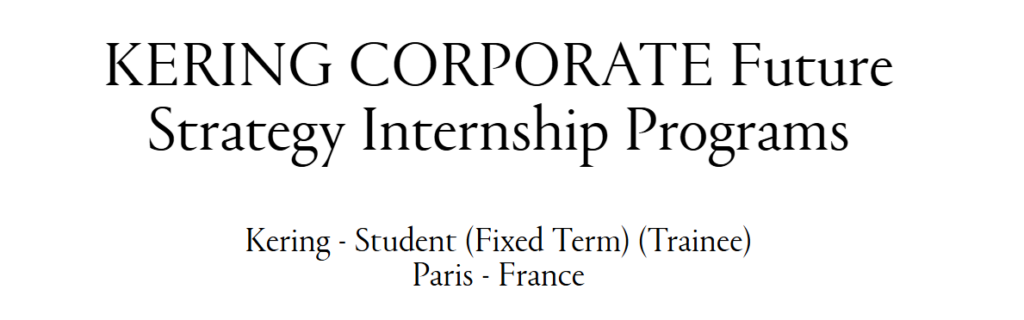
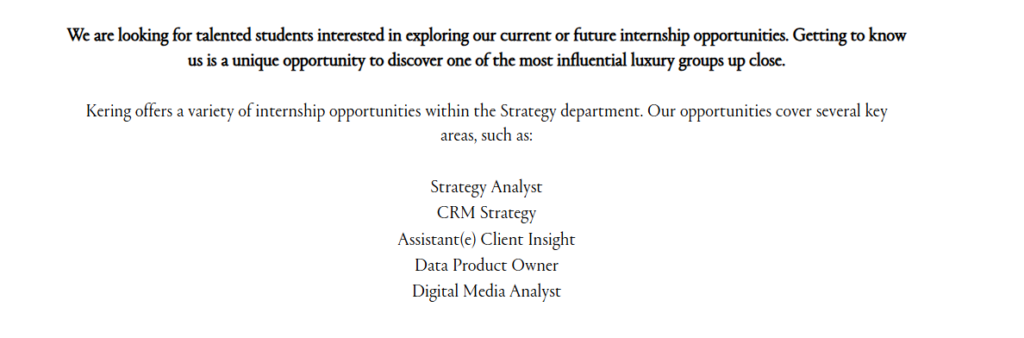
So as you can see there isn’t such words such as management but if you read the job description these indeed can fall within the management category and therefore you can find many interesting opportunities you dind’t consider.
Skills Fashion Management Roles Consistently Require
Looking across all these real job descriptions, fashion management roles consistently require:
- Advanced Excel and data analysis
Used daily for forecasting, reporting, sell-through analysis, budgeting, and performance tracking. - Cross-functional coordination
Working with design, marketing, production, HQ, regional teams, and external partners. - Strong presentation and reporting skills
Turning complex data into clear PowerPoint decks and actionable insights. - Business mindset combined with product sensitivity
Understanding both numbers and the emotional value of fashion products. - Ability to work between creativity and numbers
Translating creative ideas into commercial and operational reality.
How to Get a Job in Fashion Management (Step-by-Step)
1. Start by identifying 3–4 careers you are interested in. In fashion management, you shouldn’t be too picky, but you should still choose roles that are aligned and fall within the fashion management category. For example, don’t apply for visual merchandising and brand management at the same time, as they don’t follow the same management path.
2. Look for internships online and save the ones you want to apply for.
3. Prepare strong applications tailored to those internships. Do not build just one resume, one cover letter, and one portfolio to use for all jobs. Regarding this, I’ve built a free pdf where I teach you the mistakes to not make in your fashion resume.
4. Start learning fashion business and management concepts. You’ll need them to answer interview questions and to make your applications stronger. Add a fashion management course to your resume and use industry language in your cover letter and portfolio.
5. Learn Excel. It’s essential for management roles, and you might be tested during job interviews, like it happened to me at Alexander McQueen and like it’s happening today to my students of my Excel for Fashion course at big companies such as LVMH.
6. Start applying to jobs online consistently. In one of my free pdf I’ll teach you the Do’s & Don’ts of Fashion Job Applications, everything you need to stand out, even if you have no experience.
7. Submit cold or unsolicited applications as well. Some brands, like Jacquemus, have a dedicated section for this, but I also teach my students to use this strategy by emailing professionals and recruiters directly to ask for internship opportunities.
8. Use ChatGPT to improve your applications (remember: improve, not write everything from scratch, and use it the right way to avoid sounding like everyone else), and to help you apply for more internships per week. I’ve built a course called A Fashion Recruiter in Your Pocket to use chatGPT properly.
9. Apply to or send cold applications to around 20 brands per week.
10. Connect with fashion professionals working in fashion management on LinkedIn and leverage it to access even more opportunities beyond online and cold applications.
You don’t need a creative title to build a powerful career in fashion
If you’ve read this far, you already know something important about yourself: you don’t just love fashion, you love how fashion works.
You’re the kind of person who looks at a brand and wants to understand the strategy behind it. You want to be part of the decisions. You want to help a company grow. And you want a career where you can be both passionate and practical, creative and analytical.
The good news is that fashion management is full of opportunities. The “hard” part is simply choosing a direction, understanding the function you want to start in, and then positioning yourself with the right skills and the right application strategy.
It’s also worth saying this very clearly: you can be extremely successful in fashion even if you’re not in the most visible or “popular” roles. Creative directors, designers, and editors are often the most exposed, but behind every successful fashion brand there are CEOs, managers, and business leaders making the biggest decisions. And yes, they are also the highest-paid roles in the industry, because they are responsible for growth, performance, and long-term vision.
You don’t need to have everything figured out from day one. What you do need is clarity on which function you want to start from, a solid understanding of how fashion companies work, and skills that make recruiters feel confident hiring you.
If you need help with your applications I have built practical resources that will help you exactly with that:
My free webinar, where you’ll learn with me 3 competitive advantages to stand out among the average 500 applicants who want the same fashion internship/job.
Break into the Fashion Industry Course is where I help you find that clarity and build a strong application strategy step by step.
Excel for Fashion Course is where I’ll teach you Excel applied to the fashion industry directly so you can learn the formulas and concepts used in fashion management offices.
The NEW fashion management course that I am launching very soon where I’ll teach you how fashion companies operate. Click here to join the waitlist.